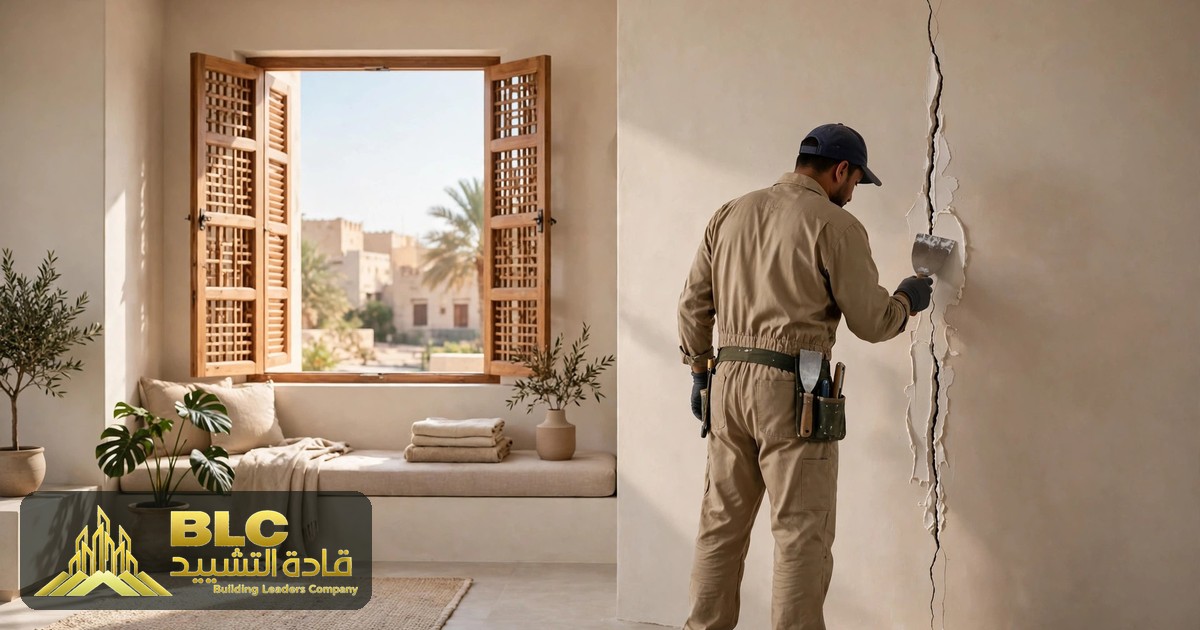
Picture this: your villa is finished — and then you find the TV socket behind a wardrobe, and bathroom water leaking inside a wall. The only fix is breaking open finished work, and paying twice for the same wall.
All of it could have been avoided in the rough-in stage. In this guide from Qadat Al-Tashyeed - BLC, we explain the most dangerous rough-in mistakes in Madinah villas.
Why the Rough-In Stage Is the Riskiest Stage
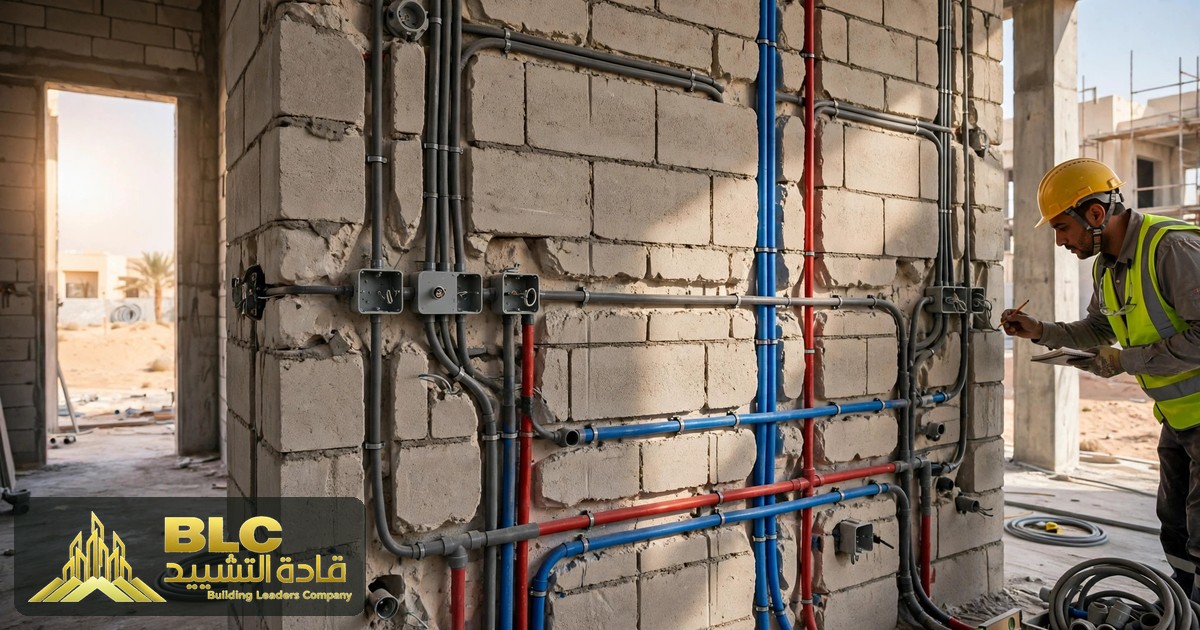
The rough-in is everything buried inside walls and floors: water and drainage pipes, electrical conduits and wiring, and distribution boxes. Once plaster and tiles go on, you can no longer see it, or fix it without breaking it open.
The golden rule: anything buried inside a wall must be tested, photographed and approved before plastering — afterwards, fixing it costs many times more than doing it right the first time.
9 Mistakes to Avoid Before Finishing
- No approved shop drawing: Guesswork leaves sockets behind furniture and washing machines without a drain. Fix every point against the furniture layout first.
- Cheap pipes buried in the wall: Saving a little on non-genuine pipes can become a leak, a tile demolition, and damaged furniture. Buried pipes must be genuine and certified.
- Skipping bathroom waterproofing: Tiles alone do not waterproof; water seeps through grout into concrete, then into the ceiling below. Test waterproofing by flooding before tiling — a core part of our insulation services.
- Wrong drainage slopes: Wrong slopes leave water standing, cause odours and blockages, and pool water away from the drain. See our bathroom and kitchen renovation guide for Madinah.
- Too few sockets, badly placed: Two sockets per room means extension leads for life, and overload risk. Distribute sockets generously, with dedicated circuits for heavy appliances.
- Mixing power with low-current cables: Internet and camera cables in the same conduit as power cause interference and weak signals. Every system needs its own route — a basic of clean general contracting.
- Neglecting earthing and protection: Earthing protects you from shock if an appliance leaks current, and earth-leakage breakers in wet areas are essential. Proper earthing and an earth-leakage breaker can be the difference between a minor fault and a serious accident — never accept a villa without them.
- No coordination between trades: A duct occupying the electrical route, or a water pipe over the distribution board, are classic site clashes. One coordination meeting and one combined drawing, before execution, prevents them.
- Unsealed conduits and early wiring: Open conduits let concrete in and block them permanently, while wires pulled too early are damaged by moisture and paint. A single conduit blocked with concrete can mean breaking a whole ceiling to run a replacement line — seal every opening before pouring, and test every route afterwards.
Tests and Sequence Before Closing Any Wall
Before plastering, insist on four tests: a water pressure test, a bathroom flood test with the ceiling below inspected, a conduit clearance test with a draw tape, and a point check against the drawing and furniture layout.
Do not plaster a single wall before the water pressure test and the waterproofing test: a wall closed without testing hides a defect that will only appear after you move in.
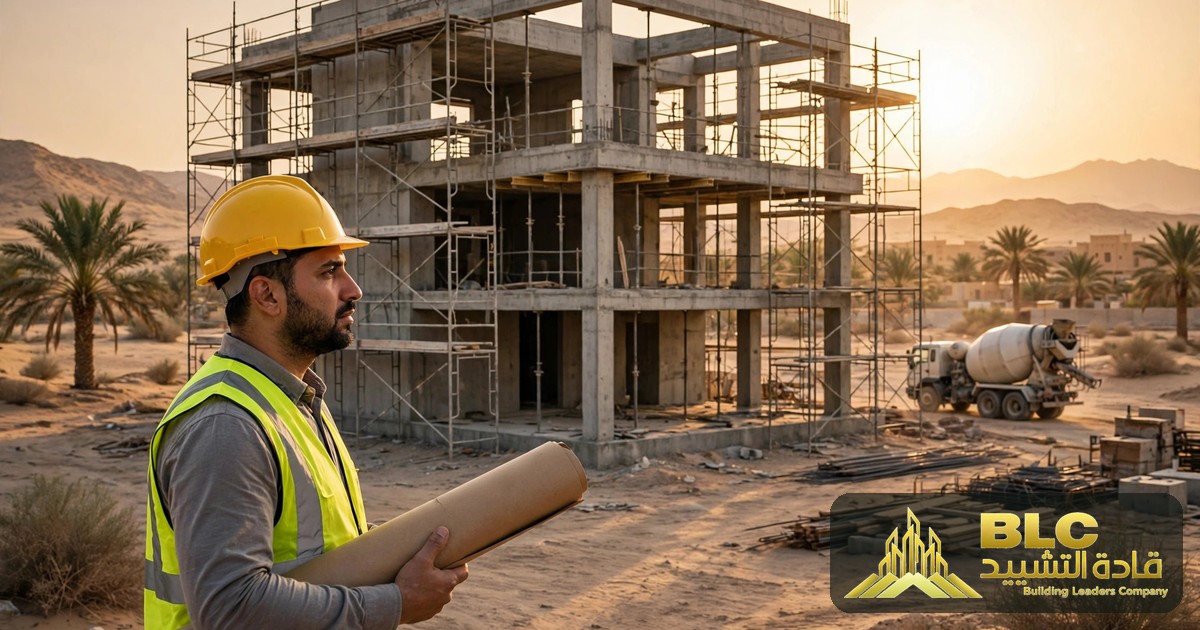
The correct sequence is simple: approve the drawings, coordinate routes, build with genuine materials, test and then cover, and photograph every wall before plastering. Our engineering consultancy services inspect the work before you approve covering it.
What Does a Mistake Really Cost?
A mistake means tile demolition, re-waterproofing, re-plastering and repainting, and weeks out of your home — usually many times the saving made on cheap materials.
Any change after plastering and tiling means demolition and re-finishing: one hour of testing before plastering saves all of that.
In our finishing works, the rough-in is the foundation everything else is built on. After handover, see our preventive maintenance plan for villas.
Conclusion: Inspect Before It Is Closed
Approved drawing + genuine materials + coordination between systems + tests before plastering = a villa that lives without demolition. Missing any one of the four = a delayed surprise inside the wall.
The Qadat Al-Tashyeed - BLC team executes your villa's rough-in in Madinah with approved drawings and documented tests before plastering. Request your free consultation now, and let us review your rough-in before a single wall is closed.