Summer electricity bills for villa owners in Madinah can be brutal, with air conditioners running day and night. Yet the same sun driving those bills could be cutting them — and October 2026 brought new rules that make the math clearer than ever.
Why Madinah Is Ideal for Solar
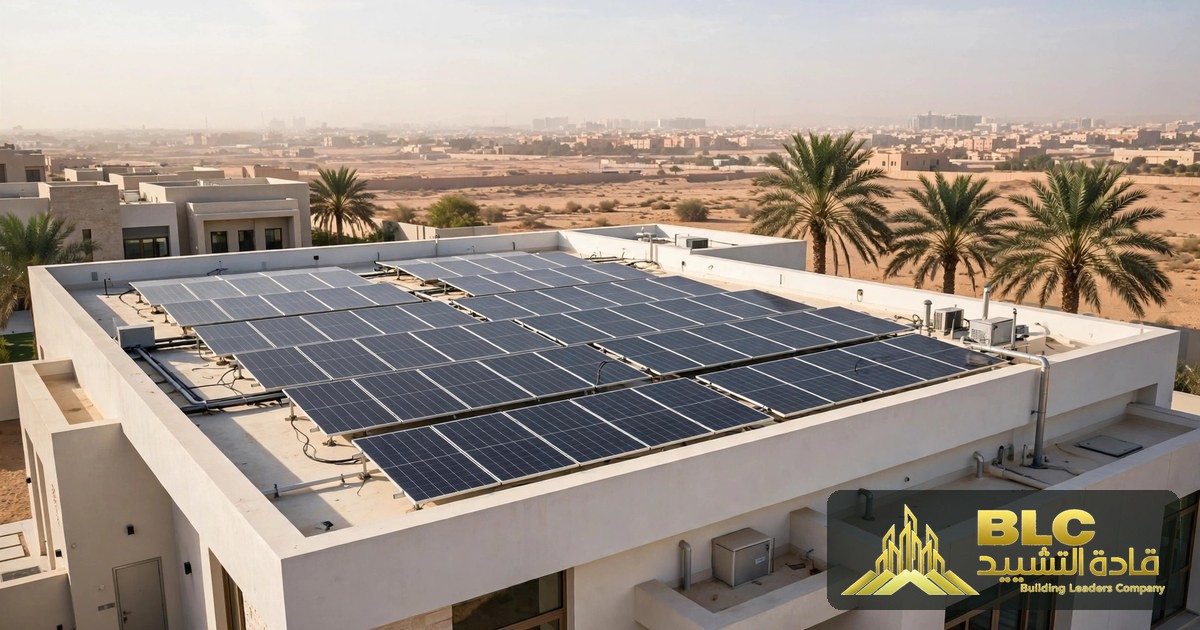
Madinah enjoys some of the highest solar irradiation in the Kingdom — higher output per panel and a shorter payback than in many other cities. Most villas also have large flat roofs: ideal for panels: orientation, ventilation, maintenance.
The New Rules: Net Billing (October 2026)
On October 20, 2026, the Saudi Electricity Regulatory Authority (SERA) proposed a new self-consumption framework. Key points for villa owners:
- Surplus credited via net billing: excess electricity earns SAR 0.07/kWh for residential use; credits last 12 months.
- Systems up to 11 kW exempt from demand and grid-connection charges — enough for most villas.
- Installation must be done by qualified contractors or consultants.
The catch: the buy-back rate (SAR 0.07) is far below the retail price you pay (SAR 0.18–0.30), so size the system to your actual consumption — don't oversize. A proper engineering consultancy load study before you spend a riyal pays for itself.
What Does It Cost in 2026?
Realistic 2026 estimates, grid-tied, installation included:
- Small villa (200–250 m²): 5–7 kW, 15–20 panels — SAR 25,000–40,000.
- Medium villa (250–350 m²): 8–12 kW, 25–35 panels — SAR 45,000–70,000.
- Large villa (350–500 m²): 12–18 kW, 35–50 panels — SAR 70,000–110,000.
Batteries (for full nighttime independence) add SAR 30,000–80,000, but under net billing most homes don't need them.
Where Your Money Goes
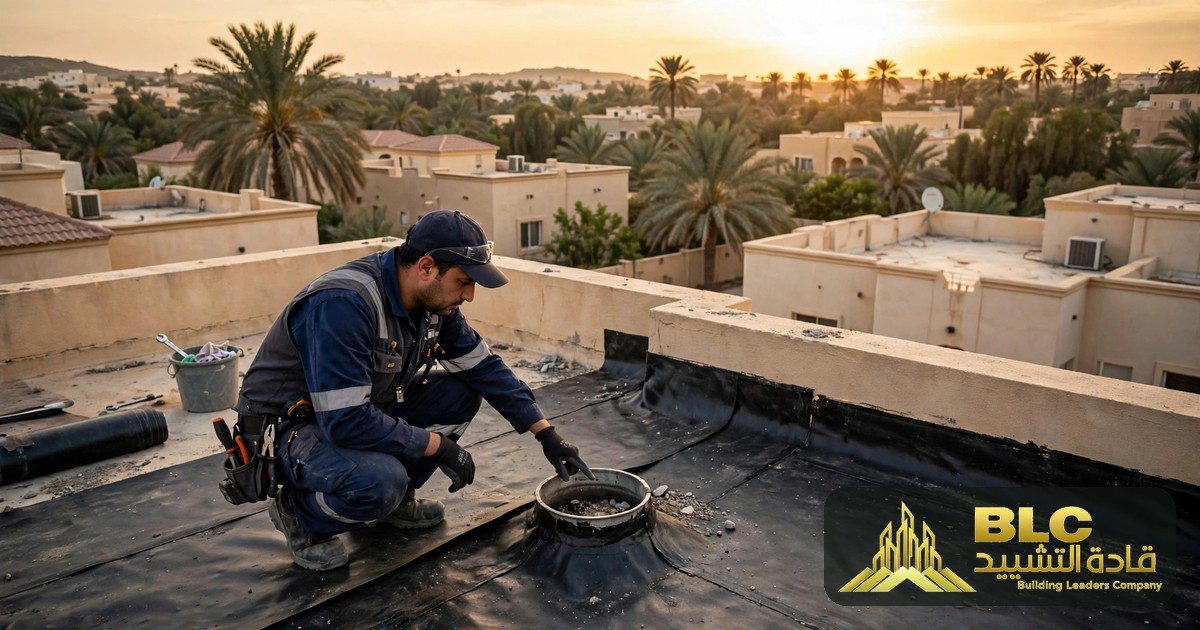
Panels (40–50%): don't cut corners — quality shows after 5 years. Inverter (15–20%): the heart of the system; pick a brand with a real warranty and local agent. Mounting (10–15%): must withstand wind without damaging waterproofing. Cables (5–8%) and labor (10–15%). If the roof needs prep — leveling, crack repair, or waterproofing renewal within finishing works — budget it up front.
Installation in 5 Steps
- Load study: review 12 months of bills; design from the number, not guesswork.
- Roof inspection: structure, waterproofing, shade-free area — shade on one panel drags down the whole string.
- Permits: SEC approval (mandatory for grid-tied), municipal permits, inspection certificate from an accredited engineering office.
- Supply & installation: sourced materials with written warranties, installed by a specialized team.
- Connection & switch-on: bidirectional smart meter from SEC, then monitoring.
5 Costly Mistakes to Avoid
Oversizing (at SAR 0.07 buy-back, extra kilowatts earn a weak return), ignoring shade (a tank casting noon shade means permanent daily losses), cheap panels with no warranty (a 25-year asset; saving 10% today becomes replacement costs in six), mounting that damages waterproofing (see our roof insulation in Madinah guide first), and unqualified contractors — read how to choose a reliable contractor in Madinah before signing.
Maintenance in Madinah: Dust Is the Enemy
Madinah dust cuts panel output — clean every 2–3 weeks with water only, at dawn or after sunset. Monitor monthly; a drop versus the same month last year signals a problem.
Is It Worth It?
For a medium villa (SAR 1,200 summer bill): a 10 kW system (~SAR 55,000) cuts the bill up to 70% — ~SAR 800/month saved in peak months — with payback in 4–7 years. After that, your power is essentially free.
قادة التشييد - BLC (all our services) handles villa solar projects in Madinah end-to-end — qualified contracting, engineering expertise, certified materials. Request your free consultation today and let us calculate your villa's expected savings before you decide.